



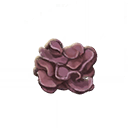
 Wood Ear Mushroom
First about 11 days · regrowth about 4 days
Wood Ear Grow Kit · Base buy price 1100
 Village in the Shade Wiki
Open it from your desktop or home screen like an app. Once installed it downloads everything so you can read offline; it won't download automatically on mobile data.
In Safari, tap Share, then Add to Home Screen.
Save every page, image and map in the current language to this device so you can read it without a connection.
The planner counts one planting square and one processing machine, and leaves out fertilizer, machine costs and skill bonuses. More machines shorten the queue but don't make the same harvest any bigger.
One planting of Edamame gives a choice of harvests: pick early for bean sprouts, let it grow on for edamame, or leave it into autumn for soybeans. These aren't three separate seeds, and you can't add up the yields of all three stages.
The profit rankings currently assume edamame is harvested repeatedly as normal. Plan plots you keep for soybeans separately; you can't also collect the full edamame profit from the rankings.
Rice Seedlings go into paddies in spring and don't need watering. The item description gives a harvest window of late summer to early autumn, so rice isn't a quick spring earner.
The growth table puts first maturity at 5,000 points, about 50 days at the base 100 points a day. The planner keeps the first harvest's income but doesn't count rice or vinegar you haven't harvested yet toward that month.
If you make Rice Vinegar, look at the numbers in two steps. If you already have the rice, the value added by processing is the vinegar's price minus what the rice would sell for. If you're starting from seedlings, take the final income of the whole batch minus the seedling cost. Factor in harvest size, machine queues and when you sell; you can't subtract one seedling's cost from one bottle's price.
The three mushrooms use Grow Kits that you can place and pick back up. They only grow in autumn and can be harvested again and again. You don't need to buy a new kit after each harvest. Other mushrooms you find in the wild can't necessarily be planted.
Wood Ear MushroomFirst about 11 days · regrowth about 4 days
Wood Ear Grow Kit · Base buy price 1100
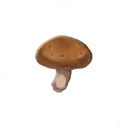 Shiitake Mushroom
First about 12 days · regrowth about 4 days
Shiitake Grow Kit · Base buy price 1000
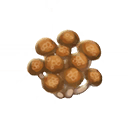 Shimeji Mushroom
First about 8 days · regrowth about 4 days
Shimeji Grow Kit · Base buy price 1150
The day counts above use base growth speed. Grow Kits can be picked back up, but they stop growing once winter starts, so don't count winter days toward autumn yields when planning the end of the month.
The descriptions of fruit tree saplings such as the Apple Sapling, acorns, chestnuts, the various cones and bamboo shoots all say they stop growing if something blocks the squares around them. In saves, full-grown trees always have at least two empty squares between them, horizontally, vertically and diagonally.
Plan where trees go before planting, and leave two empty squares between every two trees. If you're not sure whether something counts as an obstacle, keep the area around the sapling clear. The save editor checks the same spacing when you plant full-grown trees on the map.
crops.dat: growth stages and regrowth thresholds. cropsharvest.dat: harvests and amounts by state. item.dat: descriptions of rice seedlings, edamame seeds, mushroom grow kits and saplings. Tree spacing comes from the positions of full-grown trees in saves. The planting order is this site's suggestion.